The Sacrificed Girl Has Three God Lovers
Scan to watch on Phone
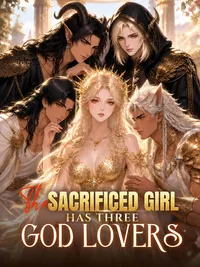
Skuld was thrown into the abyss as a sacrifice. Three rival gods now fight for her—and she just crashed her sister's wedding to settle the score.
97NNY
Skuld, a blind girl, overhears her fiancé Prince Eric and her sister Erin together on the night before what she believed was their wedding. The marriage was a trap: Skuld was to be the annual human sacrifice to the gods, a ritual meant to appease Loki’s three world-ending children. When she confronts them, her father tells her she was born cursed and that dying for the kingdom is an honor. Guards bind her and drag her to the altar, where Eric offers her to the lords of the abyss. She is thrown from the cliff, still swearing revenge.
In the abyss, Skuld survives and immediately draws the attention of Fenrir, the wolf of Ragnarok, German god, the giant serpent, and Hell, the ruler of Helheim. They make a bet: whoever makes her submit first keeps her as a slave. Fenrir seizes her, roaring at his brothers to tear her clothes off, but Skuld refuses to cower. She says his name, and when he loses control and orders her to run, she stays and calms him instead, falling asleep at his side. German god lures her away with an illusion of Eric and Erin betraying her, promising strength and strategy for revenge. She agrees and follows him, later tending to a wound during his vulnerable molting period and proving she can touch him without harm—he declares he wants her as his bride. Hell discovers Skuld is immune to his lethal touch and becomes dangerously obsessed. When forced to choose between the three bickering gods, Skuld picks German god to help her settle the score. She returns on Eric and Erin’s wedding day, halts the ceremony, and renounces her family in the name of Odin. As her divine power awakens, she becomes the Goddess of Fate, sees through Baldr’s false kindness and his plot to trigger Ragnarok, and the three gods join forces with her to reset the world. When the catastrophe ends, all four must confront who truly holds Skuld’s heart.